 been.design
How to choose a website design studio.
Choose a studio whose relevant work you can inspect, whose responsibilities are clear and whose proposal describes the complete scope. Compare the evidence and handover as carefully as the visual style and headline price.
Look for a similar communication problem.
A matching industry label is useful context, but it is not enough. Ask how the studio explained a complex product, structured a long offer or connected a service page to its next step. Read the case study alongside the actual screens.
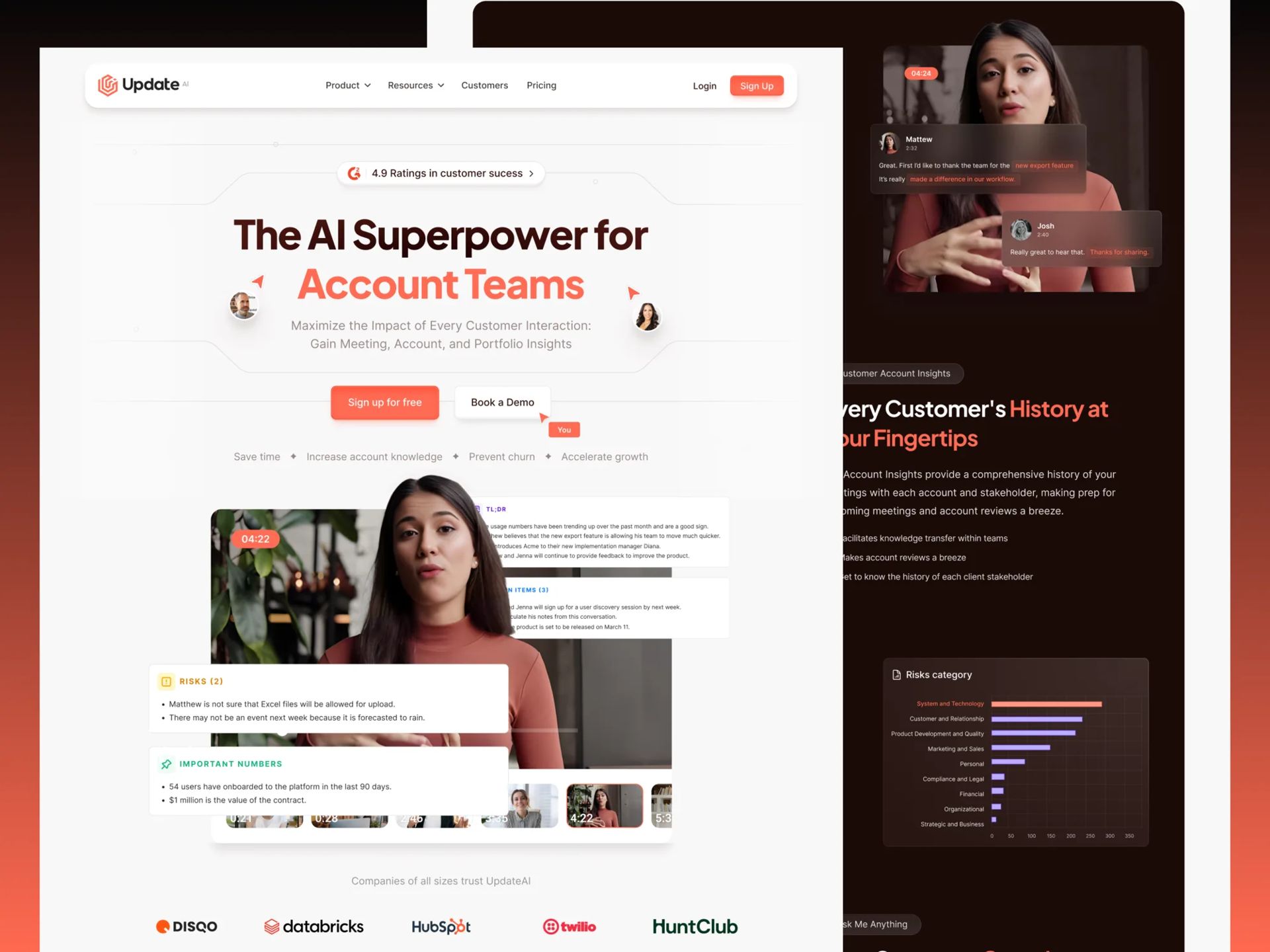
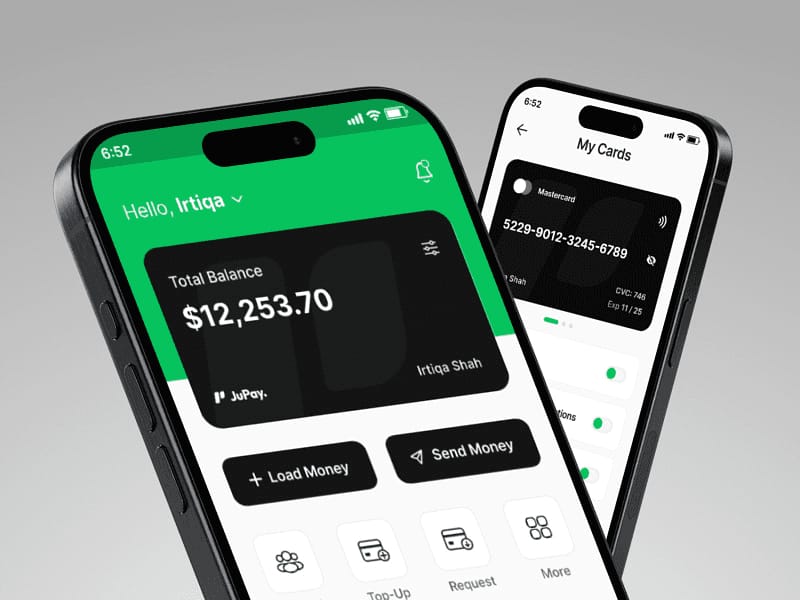
Our Update.ai case describes product storytelling; JuPay describes mobile interface design. The second is not proof of a marketing-site launch or payment engineering. A good comparison keeps those scopes distinct.
Ask who did the work.
A portfolio can contain collaborations. Ask which person handled strategy, copy, UI and implementation, and who will work on your project. Keep client review wording intact rather than treating a quote about one person as proof about someone else.
Confirm the current team and responsibilities in the proposal. A platform badge is worth checking at its source, but it is not a substitute for a relevant project and a clear delivery owner.
Make quotes comparable.
For context, our published $8,000 Website plan covers up to six pages with Next.js development. Framer and migration requirements are quoted to scope. That is one studio's offer, not an industry price benchmark.
| Ask about | What a useful answer identifies |
|---|---|
| Content | Who writes, supplies and approves it. |
| Design | Pages, patterns, states and feedback rounds. |
| Development | Platform, CMS, forms and integration boundaries. |
| Migration | Content transfer, URLs, redirects and launch checks. |
| Handover | Files, code, accounts, licences and maintenance. |
| Price | Included work, exclusions and ongoing costs. |
Read the limits around results.
A result needs a definition, source and period. Ask whether a number is measured, client-reported or a goal. A website can contribute to a business outcome alongside traffic, product, pricing and sales activity.
Our refreshed case studies distinguish documented deliverables from reported uplifts. A lack of verified performance data should lead to a precise description of the work, not an invented percentage.
Bring these questions to the conversation.
- What would you keep from our current site, and why?
- Which similar project can we inspect in detail?
- Who is responsible for content and implementation?
- What decisions or access could delay the project?
- What happens if the scope changes?
- What will we own and maintain after launch?